

Human nature, or human personhood, is complex and wonderfully designed, like that of a butterfly. It goes through different stages, but remains the same basic substance. My suggestion is that human life, or personhood, changes, like the metamorphosis that takes place for the Monarch Butterfly. It progresses through four separate stages of life: the egg, the larval, the chrysalis, and the butterfly stage. In the concept of a human person, The classical Christian position is that it has different stages as well. The human person begins as a one or two substance thing at conception, and it is possible that at a later point, when the cognitive faculties develop, the one substance splits into body and soul or the soul emerges—either way the early stages of this single entity is fully a human person.
Some great books on this issue are
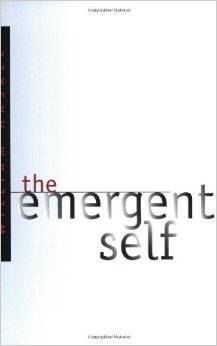
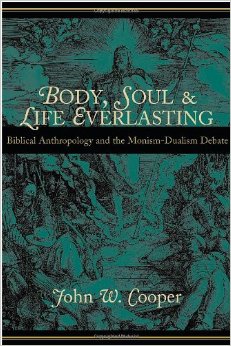 Body, Soul, and Life Everlasting: Biblical Anthropology and the Monism-Dualism Debate by Coopper
and
The Emergent Self, by Willam Hasker
The human person, then, remains two united substances until the physical substance experiences death or the mental substance breaks down almost completely. If I change bodies, gradually through, technological advancements as I argue in this other blog, I would not be human anymore, but would be post-human. But I would still be the same person. At death, there is fission of the two substances. There are other stages, the intermediate stage and resurrection stage, according to Christian theology.
So then what is a human person? So many definitions have been offered! This is my humble attempt. Your suggestions are welcome:
A human person is a biological entity with the DNA of homo sapiens which subsists, flourishes in community, and creates an environment for the manifestation of the intrinsic dormant capacity for development of complex and logically ordered thoughts. This logically entails that the person has a complex language and an awareness of a personal unity or coherence of themselves. The human person also has a distinctively private, subjective point of view in addition to the ability to make free decisions and thus be morally responsible for those decisions. A human person has a multifaceted emotional life that enables communion and relationship with other persons. A human person is the same numerical entity from embryo to grave. The best explanation of this diverse and remarkable array of properties and states is that the human person is composed of a harmony and interconnectedness of two distinct substances: body and soul.
[i] Special thanks to Dr. Kathleen Lennon for this illustration, and for many other countless insights!
What do you think? What did I miss? What more can be articulated about human personhood?




Leave a Reply to Jonathan Gilson Cancel reply